AI-Driven Demand Fuels Sharp Rise in Asia Pacific Data Center Construction Costs April 1, 2026 The rapid global adoption of artificial intelligence is fundamentally altering the economics of data center construction, with new research highlighting significant and uneven cost inflation across the Asia Pacific region. A surge in demand for AI-optimized facilities is straining supply chains and local infrastructure, making precise market-level planning more critical than ever for developers. According to the Asia Pacific Data Centre Construction Cost Guide 2026 from real estate services firm Cushman & Wakefield, construction costs in the region now range dramatically from $7.9 million per megawatt in Taiwan to $19.2 million per megawatt in Japan. Singapore follows closely as the second most expensive market at $17.9 million per megawatt. The report identifies intense competition for power, grid constraints, labor costs, and complex new design requirements for AI as primary cost drivers. This reflects a shift where development economics are “no longer moving uniformly across the region,” increasing the need for detailed market analysis, especially for large AI campuses. Andrew Green, head of Cushman & Wakefield's Asia Pacific data center group, noted the sharp divergence: “Across Asia Pacific, construction cost inflation diverges sharply, with some markets seeing increases above 15 percent while others remain below five percent.” He attributed this split to AI reshaping physical requirements: “Higher power density, more complex cooling systems, and stronger structural requirements are becoming standard in AI‑ready facilities, with very different cost implications depending on local power availability, labor capacity, and delivery conditions.” The cost pressures are most acute in primary markets like Tokyo, Singapore, Sydney, Taipei, and Johor, where securing power connections faces long delays. Furthermore, procurement issues are creating “uneven cost outcomes,” with a widening price gap between Chinese and non-Chinese equipment suppliers, lengthening lead times, and the increased use of prefabricated modules adding price variability. The report also found that retrofitting older facilities for AI workloads is proving challenging, pushing owners toward edge computing and interconnection hubs instead. The long-term industry implications are significant. Pritesh Swamy, head of research and advisory for Cushman & Wakefield's Asia Pacific data center group, stated, “AI is transforming data center design far faster than traditional development cycles anticipated.” He explained that each new generation of hardware demands more power, cooling, and structural resilience, redefining the baseline for future-ready facilities. Markets that can effectively meet these demands are gaining a competitive edge, while others grapple with rising costs. This transformation occurs against a backdrop of record development, with Cushman & Wakefield recently reporting APAC’s data center pipeline hit a record 19.4GW in 2025, with further growth expected. Source: datacenterdynamics
AI Boom Reshapes Asia Pacific Data Center Construction, Driving Costs Up Over 15% in Key Markets

Research
-
2022-2023 Shanghai and its Surrounding Areas IDC Industry Market Development Research Report
-
2022-2023 Beijing and Surrounding Areas IDC Market Research Report
-
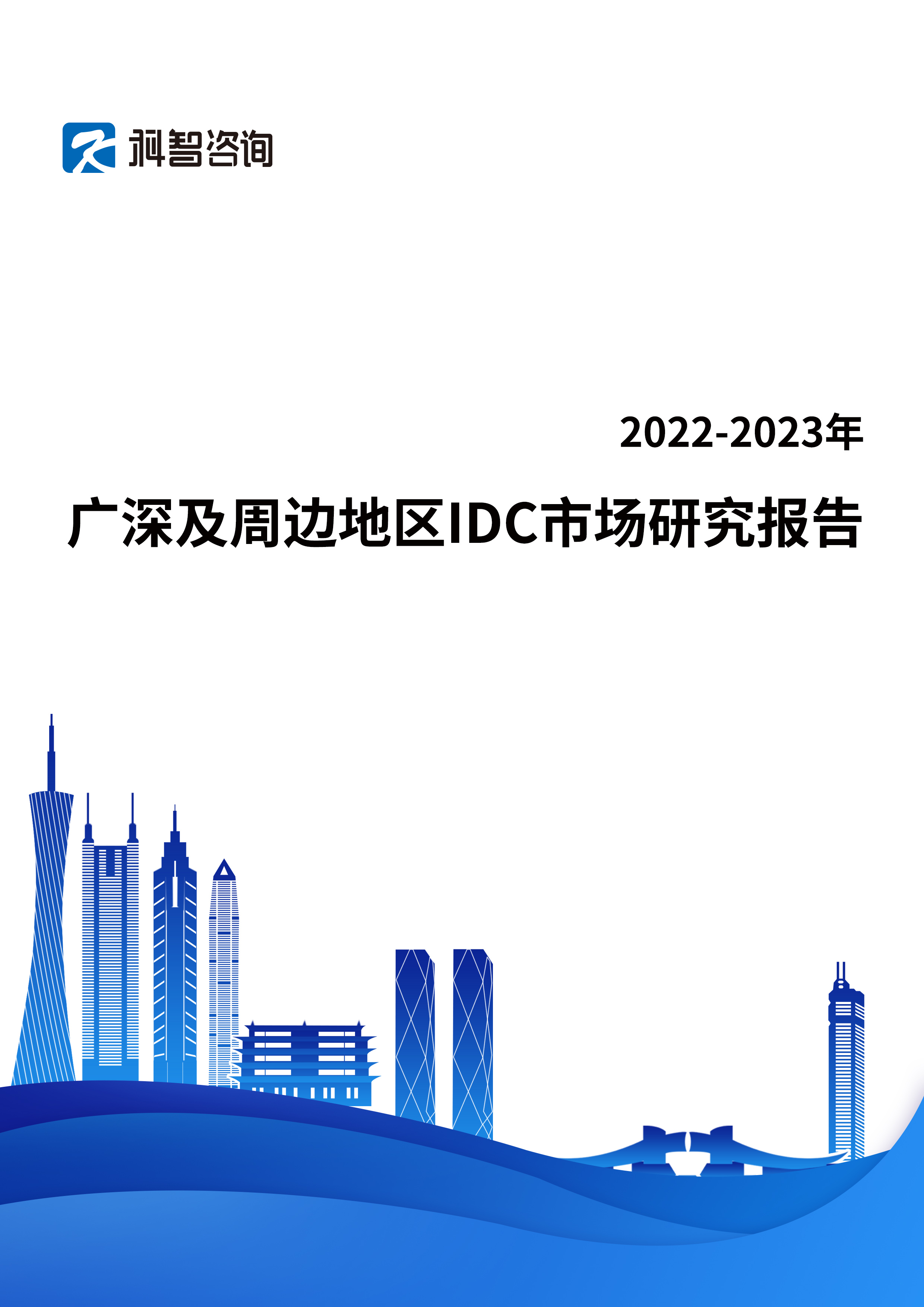
2022-2023 Guangzhou-Shenzhen and Surrounding Areas IDC Market Research Report
-
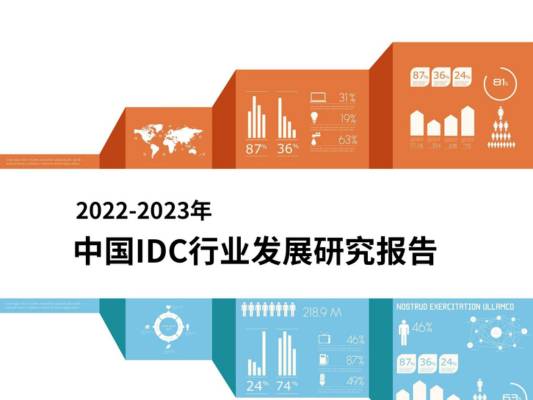
2022-2023 China IDC Industry Development Research Report
-
2021-2022 Global Data Center Research Market Research Report
-
"2021-2022 China Data Center Industry Electromechanical Equipment Market Research Report”
-
2020-2021 China IDC Industry Development Research Report
-
2020-2021 IDC Market Research Report for Shanghai and Surrounding Areas
-
Simplified Version: 2019-2020 Southeast Asia Internet Data Center Industry Development Research Report
-
Simplified Version: 2019-2020 Guangzhou - Shenzhen and their Neighboring Areas Internet Data Center Market Research Report