Microsoft and Armada Forge Edge Alliance for Sovereign AI
April 1, 2026
In a significant move to address the growing demand for secure, resilient computing in remote and operationally challenging environments, Microsoft has partnered with modular data center firm Armada. The collaboration integrates Microsoft's Azure Local platform into Armada's portable Galleon data center units, creating a turnkey solution for sovereign AI and cloud services at the edge.
The partnership is a direct response to the critical needs of government, defense, and regulated industry customers who operate in disconnected or intermittently connected settings. These sectors require the advanced capabilities of the public cloud but must maintain strict data sovereignty, security, and operational independence, which traditional cloud models cannot guarantee in contested environments.
Under the agreement, Microsoft's Azure Local—an on-premises offering that brings core Azure cloud services to a customer's chosen location—will be deployable within Armada's ruggedized, portable Galleon modules. This combination allows workloads to run securely in fully disconnected modes while still providing access to Azure's cloud ecosystem and, crucially, AI capabilities. Microsoft had previously enhanced Azure Local's AI potential by integrating Nvidia servers in November 2025.
Dan Wright, co-founder and CEO of Armada, emphasized the necessity of the integrated solution. "Customers operating in the world’s most demanding environments don’t have the luxury of choosing between sovereignty, resilience, and modern cloud capabilities, they need all three," Wright stated. He added that the partnership delivers "a practical path to sovereign AI at the Edge" that supports local control and disconnected operations.
The technical foundation is robust. Armada's Galleon line, which expanded in July 2025 to include the liquid-cooled, 1MW-capacity Leviathan module designed for AI computing, forms the physical infrastructure. Armada's market traction is evidenced by its deployment pipeline with entities like the US Navy, Aramco, and Alaska's Department of Transportation, and its substantial $131 million funding round announced last July, which included prior investment from Microsoft's M12 venture fund that led a $40 million round.
Douglas Phillips, President and CTO for Microsoft specialized clouds, framed the collaboration within the broader imperative for digital sovereignty. “As organizations accelerate digital transformation, sovereign cloud capabilities are essential, not optional,” Phillips said. “Our collaboration with Armada extends Azure Local to new frontiers at the Edge, giving governments and enterprises the controls, security, and resiliency they need to operate independently.”
The alliance signals a strategic convergence in the industry, where hyperscale cloud software is increasingly being paired with specialized, deployable hardware to capture the high-value edge and sovereign computing market. It enables scenarios from forward military deployments to remote industrial sites, allowing them to leverage AI and cloud analytics without dependency on constant, high-bandwidth connectivity to centralized data centers.
Source: datacenterdynamics
Microsoft and Armada Partner to Deploy Sovereign AI at the Edge via Modular Data Centers

Research
-
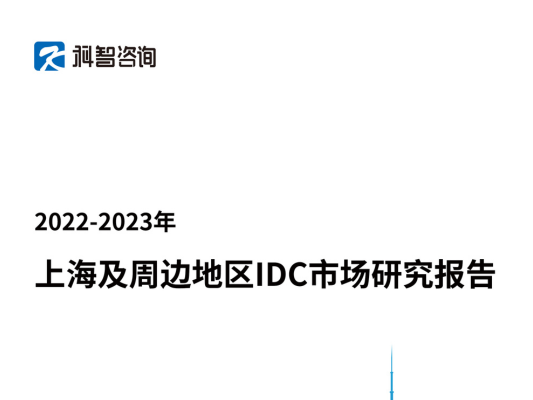
2022-2023 Shanghai and its Surrounding Areas IDC Industry Market Development Research Report
-
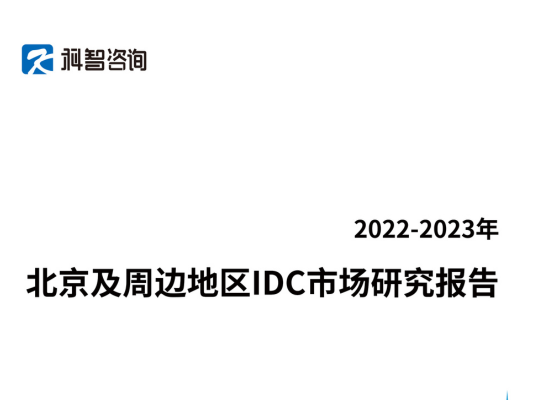
2022-2023 Beijing and Surrounding Areas IDC Market Research Report
-
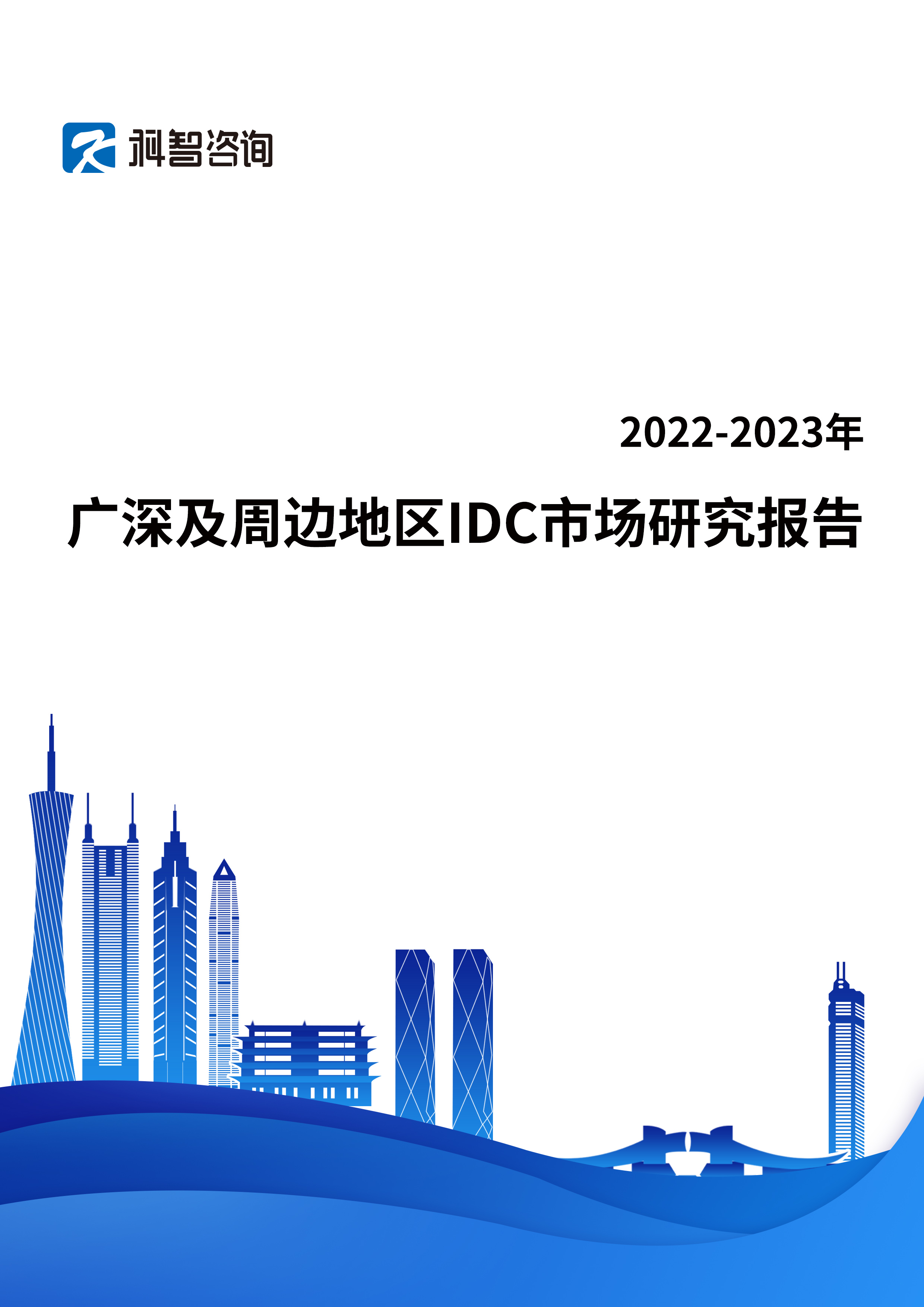
2022-2023 Guangzhou-Shenzhen and Surrounding Areas IDC Market Research Report
-
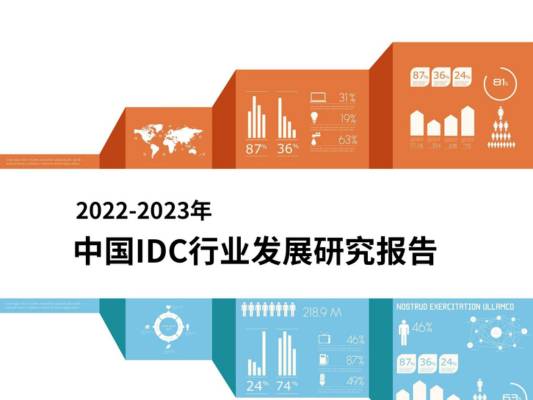
2022-2023 China IDC Industry Development Research Report
-
2021-2022 Global Data Center Research Market Research Report
-
"2021-2022 China Data Center Industry Electromechanical Equipment Market Research Report”
-
2020-2021 China IDC Industry Development Research Report
-
2020-2021 IDC Market Research Report for Shanghai and Surrounding Areas
-
Simplified Version: 2019-2020 Southeast Asia Internet Data Center Industry Development Research Report
-
Simplified Version: 2019-2020 Guangzhou - Shenzhen and their Neighboring Areas Internet Data Center Market Research Report