Microsoft's AI Expansion in Brazil Revives Water-Intensive Cooling Amid Sustainability Scrutiny
March 30, 2026
The rapid global expansion of artificial intelligence infrastructure is intensifying scrutiny on the environmental footprint of data centers, particularly their massive consumption of energy and water. In Brazil, a new development highlights the trade-offs companies face between cutting-edge performance and sustainable design, as Microsoft incorporates older, water-reliant cooling technology for its AI data centers in the country.
According to planning documents, Microsoft's facilities could consume up to 3.24 million liters of water per day at peak demand, a volume comparable to the daily usage of a town of 15,000 people. The company informed local communities that it plans to activate its water-cooling towers only when temperatures exceed 29.4°C, estimating this would occur for approximately 10% of operating time.
However, a long-term climate study from the Center for Meteorological and Climate Research Applied to Agriculture (Cepagri) at Unicamp suggests this threshold is being crossed with increasing frequency. Their analysis indicates temperatures surpassed 29.4°C on 44.48% of days over the past three decades in the region, a trend expected to rise due to climate change. This raises questions about the real-world water usage of the facilities.
Local water utility Sabesp has stated it sees no risk to the regional water supply from the projects, which have obtained the necessary environmental licenses. Microsoft declined to comment on the specifics of its Brazilian operations. The company has stated that its more recent data center projects globally adopt water-free cooling technologies.
The move underscores a broader industry dilemma. While most data centers in Brazil utilize air-cooling systems with a lower water impact, the immense heat generated by concentrated AI computing workloads sometimes pushes operators to revert to more traditional, and often more water-intensive, cooling methods to ensure reliability. This case places Microsoft at the center of the ongoing debate about whether the breakneck pace of AI development can be reconciled with growing sustainability commitments and resource constraints in an era of climate change.
Source: folha
Microsoft's AI Expansion in Brazil Revives Water-Intensive Cooling Amid Sustainability Scrutiny
Research
-
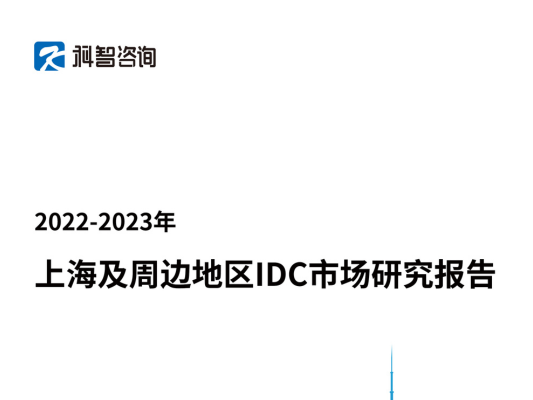
2022-2023 Shanghai and its Surrounding Areas IDC Industry Market Development Research Report
-
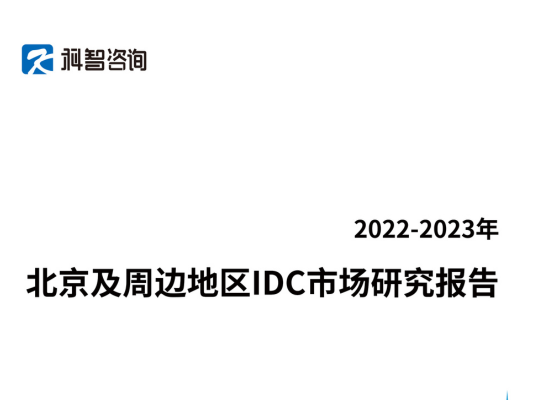
2022-2023 Beijing and Surrounding Areas IDC Market Research Report
-
2022-2023 Guangzhou-Shenzhen and Surrounding Areas IDC Market Research Report
-
2022-2023 China IDC Industry Development Research Report
-
2021-2022 Global Data Center Research Market Research Report
-
"2021-2022 China Data Center Industry Electromechanical Equipment Market Research Report”
-
2020-2021 China IDC Industry Development Research Report
-
2020-2021 IDC Market Research Report for Shanghai and Surrounding Areas
-
Simplified Version: 2019-2020 Southeast Asia Internet Data Center Industry Development Research Report
-
Simplified Version: 2019-2020 Guangzhou - Shenzhen and their Neighboring Areas Internet Data Center Market Research Report