



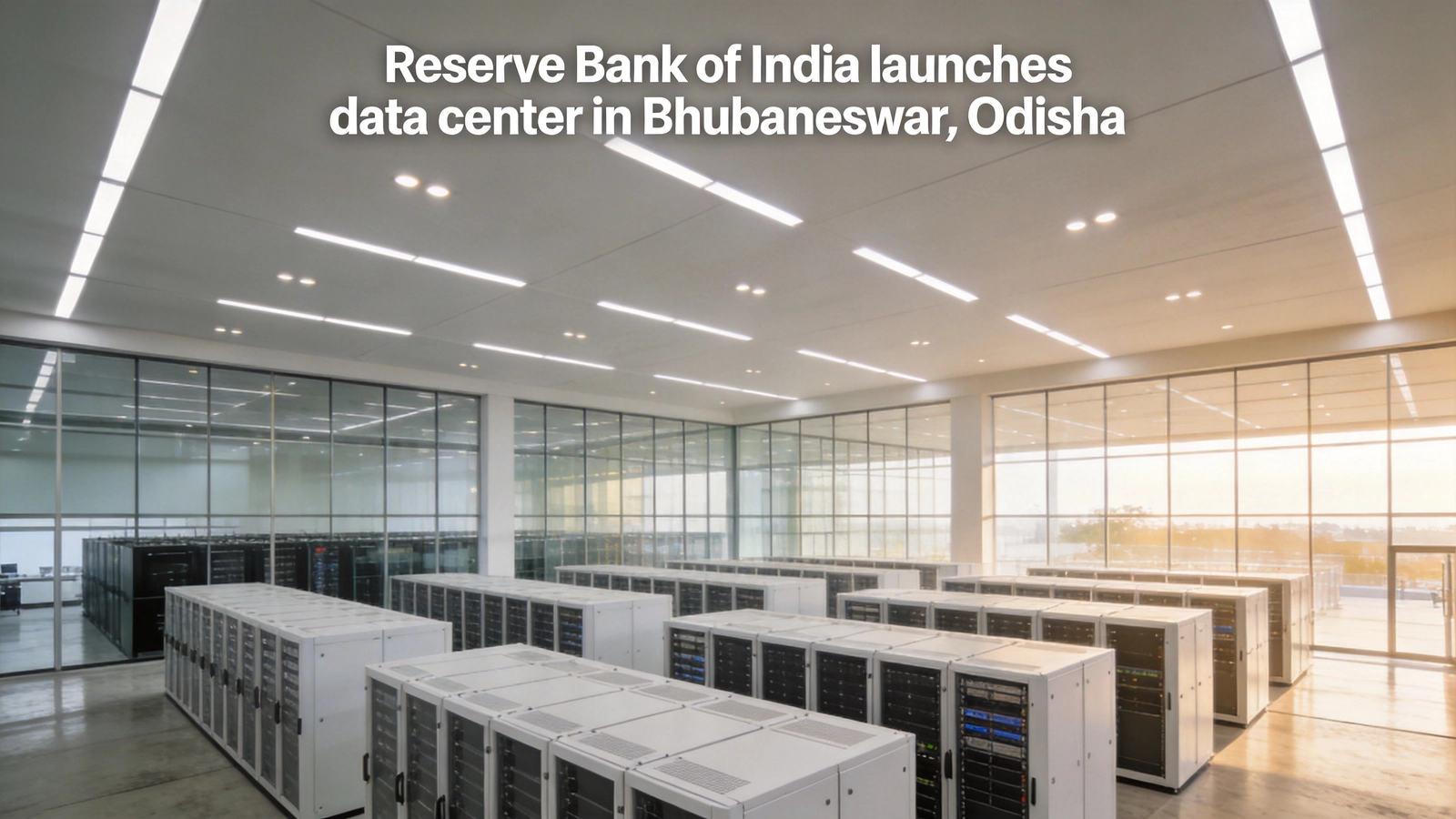
The Reserve Bank of India, established in 1935 and headquartered in Mumbai, operates another data center in Kharghar in Navi Mumbai. The new Bhubaneswar facility represents a strategic diversification of the bank's infrastructure footprint, reducing concentration risk and enhancing business continuity capabilities for the nation's financial ecosystem.
Prime Minister Modi described the facility as a reflection of India's changing approach to governance, focused on extending the benefits of economic development to every region and every citizen. He emphasized that a secure banking system requires secure digital infrastructure supported by robust data centers and powerful computing systems, and said the RBI's new data center is a critical step in this direction. The inauguration also highlighted the growing importance of cybersecurity training alongside physical infrastructure, with the new institute expected to bolster the skills needed to protect India's financial networks against evolving digital threats.
The launch comes as India accelerates investment in data center capacity to support its expanding digital economy, with several major projects announced across the country in recent months. For the Reserve Bank of India, the Bhubaneswar facility strengthens operational redundancy at a time when digital payments volumes continue to surge, and signals a broader push by public institutions to build sovereign-grade infrastructure capable of meeting stringent uptime and security standards.