



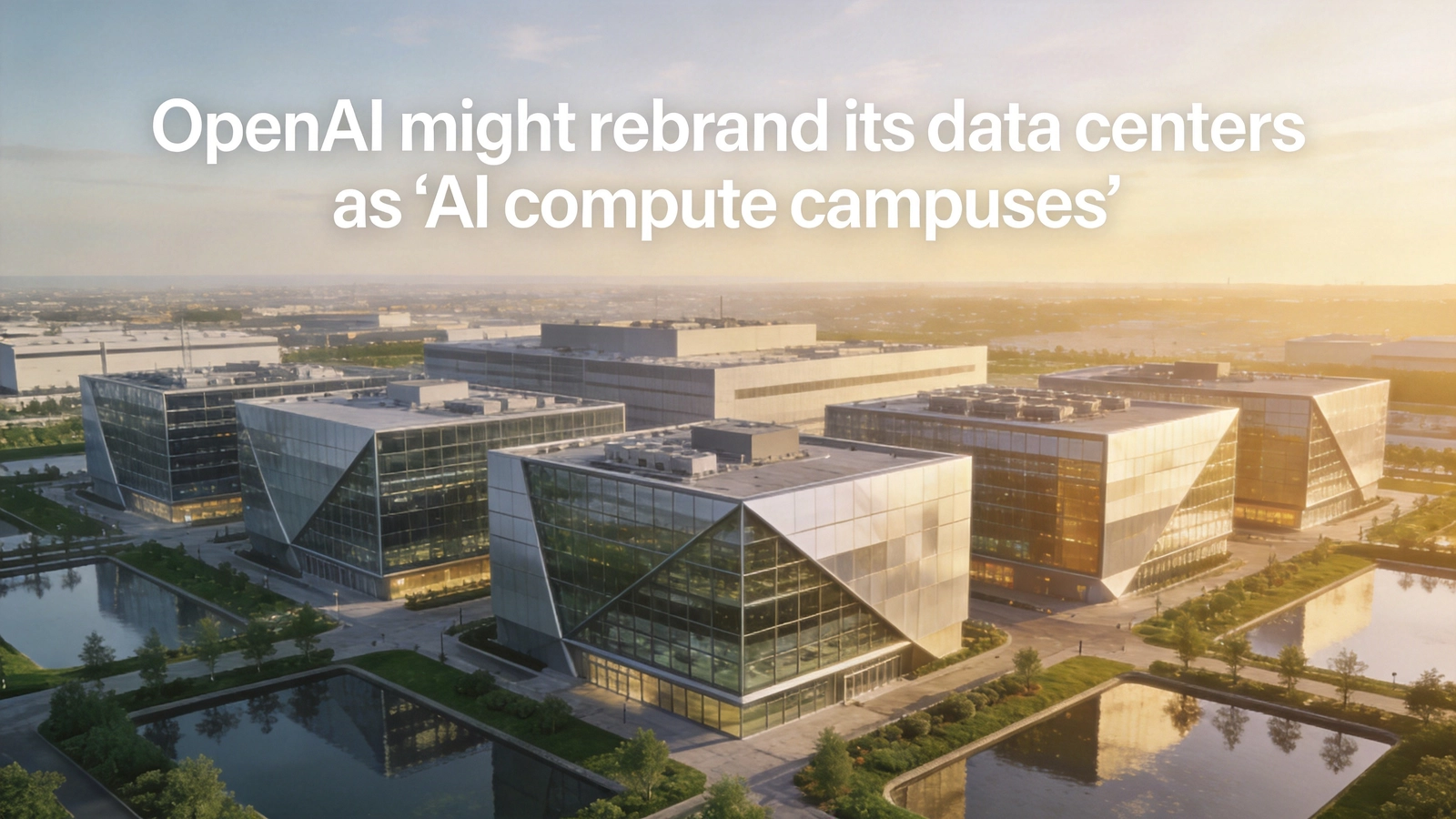
Lehane outlined several proposals intended to shape the AI debate going forward, including the development of AI "speed limits," efforts to help the public see AI as a tool that empowers them in their daily lives, a push for the United States to take a leading role in developing global standards, and the rebranding of data centers as "AI compute campuses." The terminology shift reflects growing concern within the industry that data centers — despite underpinning the AI boom — have become deeply unpopular with local communities, a dynamic that has already pushed Amazon and Microsoft to say they will no longer use non-disclosure agreements in negotiations with local governments.
Lehane characterized the ongoing public debate around data centers as "good and healthy," adding that "communities should hold companies responsible and accountable so they really and truly get a transformative benefit from these projects." His comments signal that OpenAI intends to engage directly with local concerns rather than avoid them, even as it works to reframe how the public perceives the infrastructure behind its AI services.
The initiative underscores the growing political and social dimensions of the AI buildout in the United States. As hyperscalers race to construct ever-larger computing facilities to support training and inference workloads, local opposition over land use, energy consumption, and community impact has intensified. For OpenAI, whose massive infrastructure ambitions are central to its competitive position, managing that backlash has become as important as the technology itself. The proposed rebranding, alongside the broader PR campaign, represents an effort to shift public perception before AI becomes a defining issue in the next presidential election cycle.